
Best Practices
5 Ways to Reduce Referee Travel Costs
Practical strategies for minimizing travel expenses while maintaining fair game coverage.
Joey Fisher
Practical strategies for minimizing travel expenses while maintaining fair game coverage.
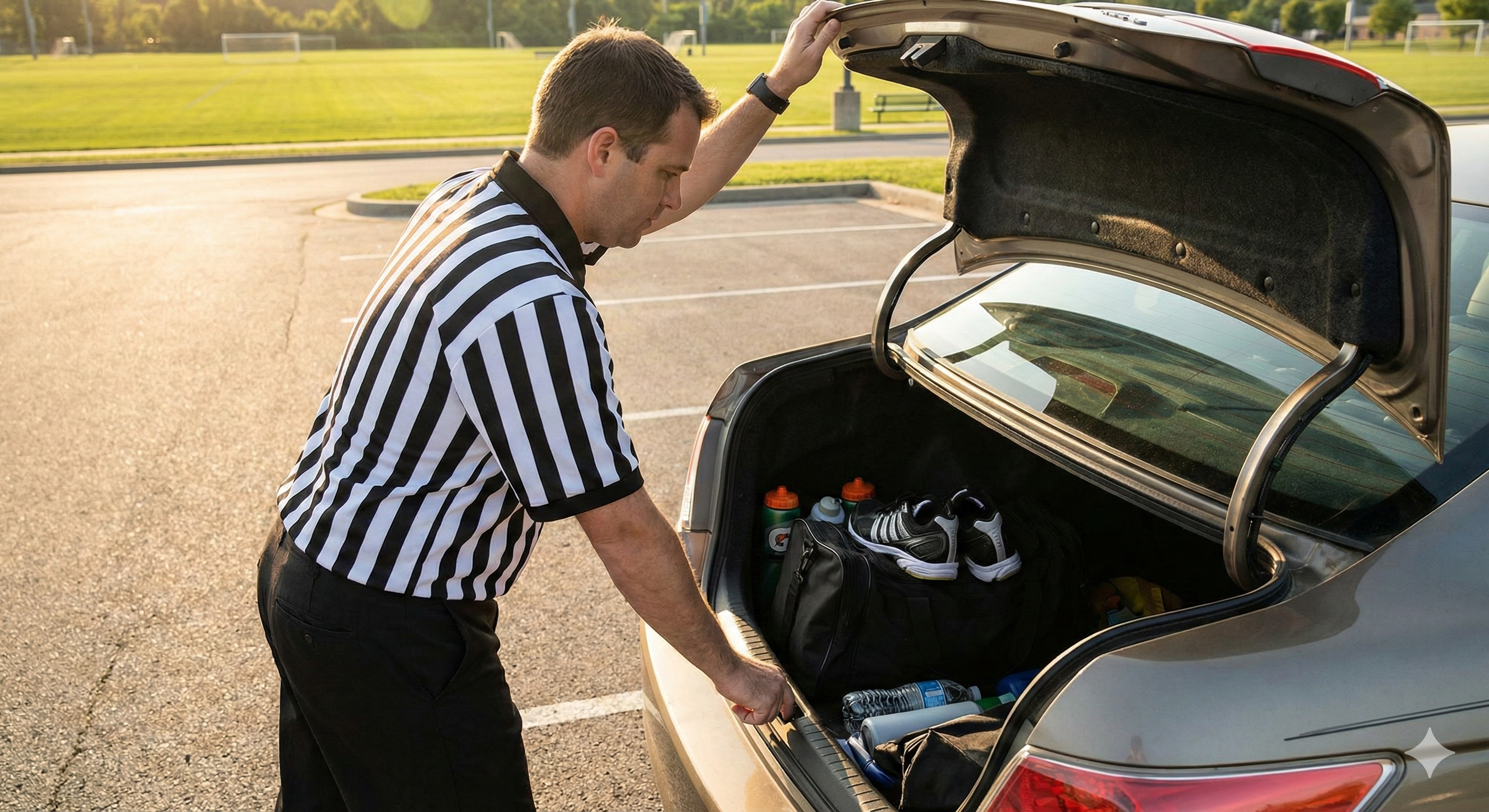
Travel expenses are one of the biggest costs in a sports association's referee budget. Mileage reimbursement, fuel, and time on the road all add up fast. The good news is that with careful planning and the right technology, you can cut these costs without lowering the quality of game coverage.
A fast way to lower travel costs is to assign referees to games close to where they live. Instead of scheduling only by availability or rotation, try to match officials with nearby games. Modern scheduling software can help by calculating distances and making assignments that keep travel down.
Start by mapping out where your referees and game venues are. You'll likely find that some referees live close to certain venues. If you assign these local officials first and only bring in those farther away when needed, associations using geographic optimization can meaningfully reduce total referee miles driven.
Consider dividing your coverage area into geographic zones. Create preferred pools of referees for each zone so you always have qualified officials nearby. Referees can still work outside their zone if needed, but the main goal is to keep assignments close to home unless there's a special reason not to.
For sports that use crews of referees, setting up carpools can save a lot of money. When scheduling, check how close officials live to each other, not just to the game site. If two referees live near each other and are assigned to the same game, it's a good chance for them to carpool.
Encourage carpooling by making it part of your association's policies. Some groups offer a higher mileage rate to drivers who carpool, which motivates officials to share rides. Others give preferred scheduling to referees who carpool often, recognizing the cost savings and environmental benefits.
Technology can help make carpooling easier. Scheduling systems that show crew assignments in advance let officials plan their rides. Some platforms also allow crew members to discuss travel plans directly in the scheduling system.
When possible, schedule individual referees for multiple games. Whenever you can, schedule referees for more than one game in the same area on the same day. If someone travels 30 miles to a venue, having them work two or three games there makes the trip more worthwhile. This works especially well for tournaments or when several fields are at one complex. Looking for clustering opportunities—times when multiple games at the same venue or nearby venues lack official assignments. Reach out to qualified referees offering these bundled assignments, highlighting the efficiency and increased earning potential with minimal additional travel.
Be mindful of referee fatigue, though. While bundling games saves travel costs, overworking officials can lead to poor performance and increased injury risk. Establish clear guidelines about maximum games per day based on the sport's physical demands and the level of play.
If your association manages several leagues or age groups, try setting up regional tournaments that bring games together at fewer venues. Instead of holding 20 games at 8 different places, host them at 2 or 3 central locations. This reduces referee travel and also makes things better for players and fans.
Look into working with nearby associations to share referees in border areas. If your eastern venues are close to another group's western venues, you can schedule so that officials work games near their homes, no matter which association is hosting. These partnerships take some coordination but usually save both groups money.
Finally, use data to guide your decisions about cutting travel costs. Keep track of travel expenses, average miles per game, and cost per official. Look for venues that often need long-distance assignments and see if you can group games there or schedule them when local referees are available.
Modern referee management tools have dashboards that show travel patterns, cost trends, and ways to improve. Checking this data regularly helps you spot problems and see if your cost-saving efforts are working. For example, you might find that moving some game times by an hour lets more local referees work and cuts travel costs a lot.
Cutting travel costs is not just about saving money now. It also helps make referee management more sustainable. Less travel makes officiating more attractive, which helps with recruiting and keeping officials. Referees enjoy spending less time on the road and more time with their families. Plus, driving fewer miles is better for the environment and fits the values of many sports organizations today.
These strategies work best when you use them together. Begin with geographic scheduling, then add crew optimization and game bundling, and use data analytics to keep making improvements. With these methods and the right technology, associations can meaningfully reduce referee travel costs while also improving assignment quality and referee satisfaction.

Learn what hockey coordinators need in a referee management system: early ice time scheduling, 2-ref vs 3-ref systems, arena travel, and certification tracking.
Discover how the right soccer referee assignment tool simplifies scheduling for rec and travel teams, handles age requirements, and streamlines tournaments.
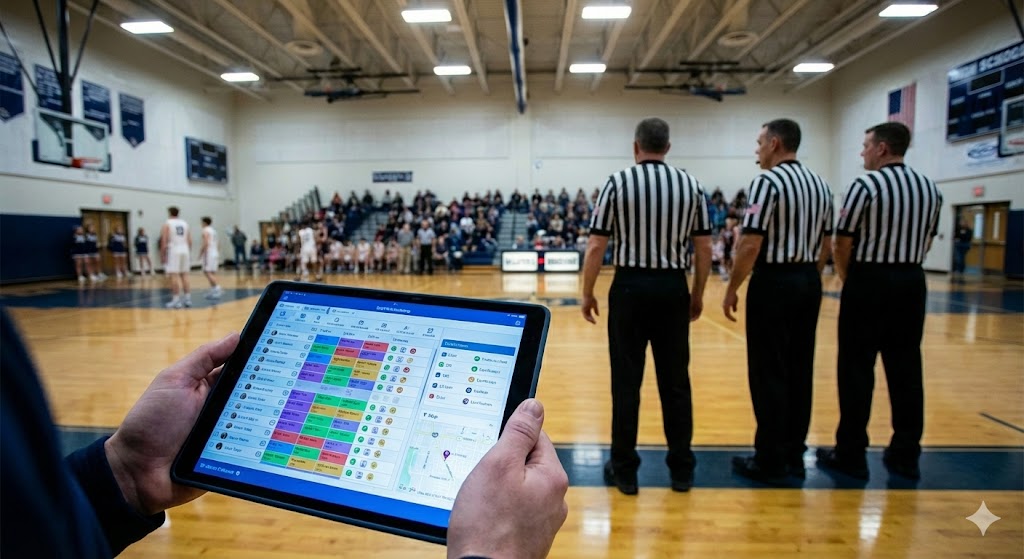
Master basketball referee scheduling with proven strategies for crew assignments, game levels, travel optimization, and certification tracking.